

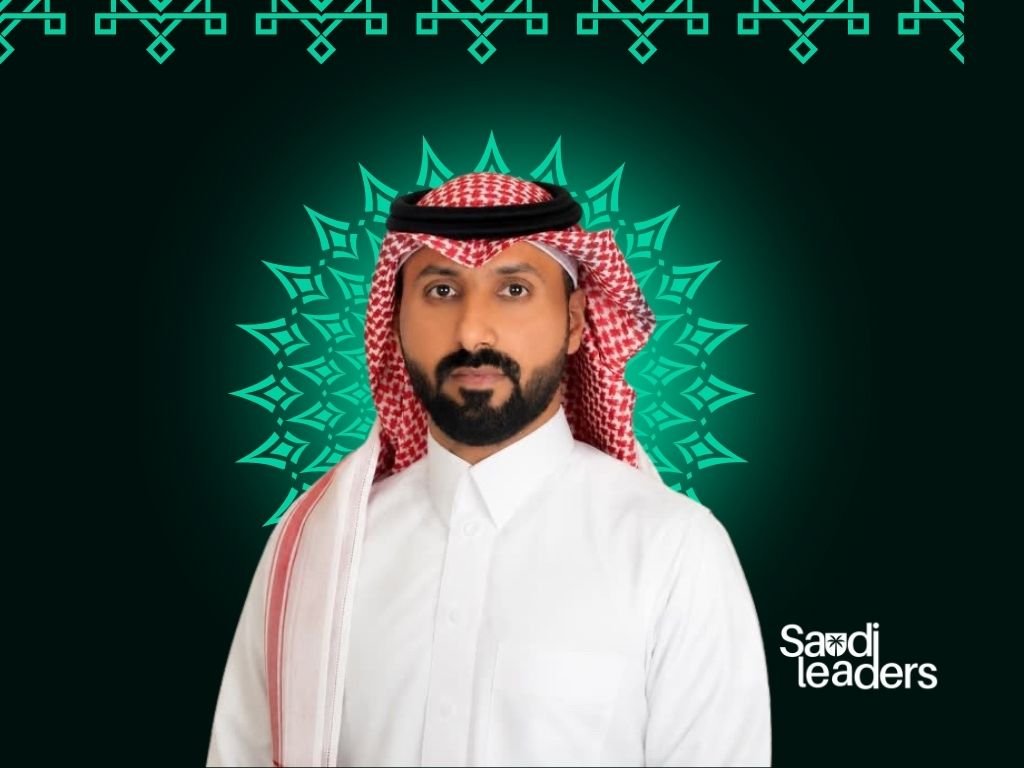






Now Reading: Dr Saeed Mufleh Alnasser: Elevating Clinical Rehabilitation and Healthcare Governance
-
01
Dr Saeed Mufleh Alnasser: Elevating Clinical Rehabilitation and Healthcare Governance
Dr Saeed Mufleh Alnasser: Elevating Clinical Rehabilitation and Healthcare Governance

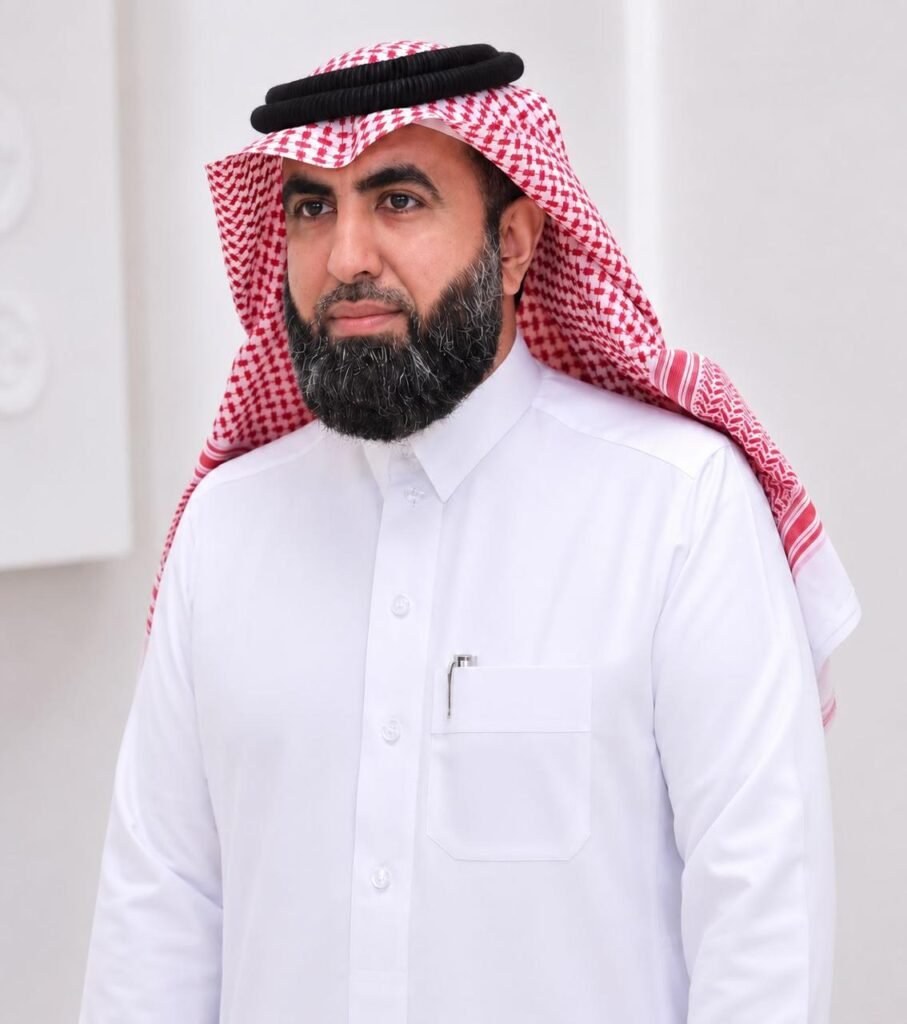
The fundamental purpose of healthcare is restoration. Yet, restoring a patient to full strength requires more than medical intervention; it demands robust institutional frameworks that guarantee safety, quality and continuous improvement. When clinical expertise is paired with a deep understanding of operational strategy, medical facilities evolve from simple treatment centres into resilient ecosystems of care. Dr Saeed Mufleh Alnasser operates precisely at this intersection of patient rehabilitation and executive governance.
By merging frontline musculoskeletal therapy with high-level institutional administration, his work actively reshapes how healthcare is delivered, measured and optimised in the Kingdom of Saudi Arabia.
The Architecture of Recovery Systems
Building a sustainable medical department requires an architectural approach to healthcare management. It is a process of creating policies, defining procedures and establishing an environment where both staff and patients can thrive. Dr Alnasser has repeatedly demonstrated an ability to build these critical systems from the ground up.
Early in his career, he directly contributed to the establishment, planning and operation of the physiotherapy department at Ahad Rufaidah Hospital under the Ministry of Health. He developed the foundational procedures and policies that allowed the department to function effectively. He later scaled this capability by providing direct supervision for the establishment and operation of the Rehabilitation Center at the Armed Forces Hospitals Southern Region.
Aligning Clinical Excellence with Institutional Standards
Exceptional patient care cannot be left to chance. It must be anchored by rigorous quality control and measurable performance indicators. Recognising this necessity, Dr Alnasser took on the role of Chairman of the Continuous Quality Improvement and Patient Safety (CQI&PS) Committee for the Rehabilitation Departments at the Armed Forces Hospital.
In this capacity, he developed multi-year strategic quality plans driven by measurable improvement targets. His leadership ensured that the delivery of healthcare services remained fully compliant with the exacting standards of the Joint Commission International (JCI) and The Central Board of Accreditation for Healthcare Institutions (CBAHI). By enforcing these rigorous inspection processes, he embedded a culture of clinical governance and safe practice deep within the institution.
“Enduring healthcare systems are built in the space where clinical precision meets unwavering operational discipline.”
Advancing the Science of Human Movement
A true commitment to healthcare requires a dedication to expanding the boundaries of medical knowledge. Dr Alnasser holds a Doctor of Philosophy in Musculoskeletal Rehabilitation from Imam Abdulrahman Bin Faisal University, where he graduated with an exceptional academic record.
His research directly addresses critical public health challenges, particularly through his in-depth studies on osteoporosis within the Saudi Arabian population. He has published peer-reviewed findings on how progressive loading protocols and exercise regimens affect bone mineral density and the quality of life for osteoporotic patients. His intellectual contributions extend further, encompassing published systematic reviews on backward gait training, as well as the effectiveness of specific breathing techniques for asthma management.
Leadership in Moments of Consequence
The strength of a medical professional is often tested outside the controlled environment of a hospital ward. When unforeseen challenges arise, the ability to manage crises and deploy rapid responses becomes vital to public safety.
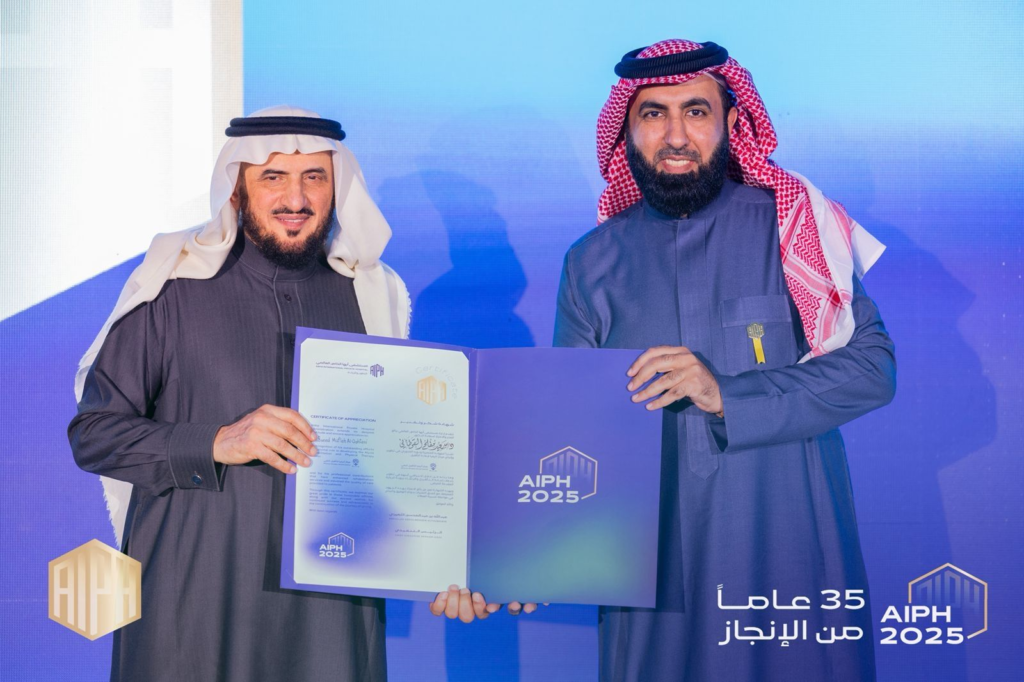
Dr Alnasser is a recognised expert in crisis and disaster management. His commitment to societal wellbeing is evident in his extensive volunteer work with the Saudi Red Crescent, the Saudi Civil Defense and the King Salman Humanitarian Aid and Relief Center. His capacity to lead during critical national events was formally acknowledged when he was awarded the Hajj Medal by the Minister of Interior. He has also received letters of appreciation from both the Commander of Joint Forces and the Commander of the Southern Region.
“True leadership is most visible not in moments of calm, but in the immediate and decisive response to unforeseen challenges.”
Integrating Technology and Future Strategy
Modern healthcare is undergoing a rapid digital evolution, and the leaders of tomorrow must be fluent in both medical science and technological innovation. Dr Alnasser possesses a strong interest in digital health and the application of artificial intelligence within healthcare facilities.
This commitment was further strengthened in August 2026 when he completed the eight-week AI in Health Care: From Strategies to Implementation programme from Harvard Medical School Executive Education, delivered through Emeritus. The programme focused on moving beyond the theory of artificial intelligence towards practical implementation, covering AI fundamentals, the evaluation and selection of healthcare AI models, data and computing considerations, and the development of AI strategies capable of driving organisational change.
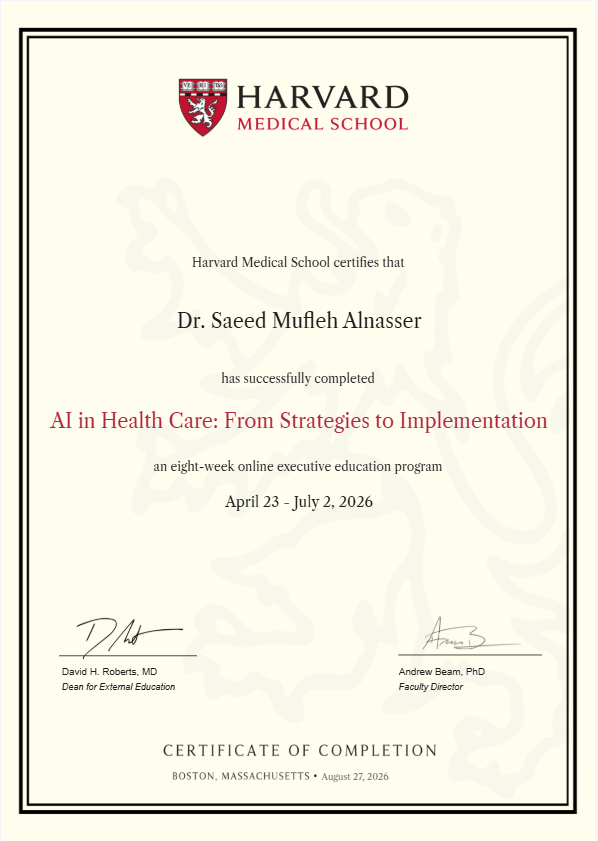
Through case studies, expert instruction and a capstone project, the programme equipped Dr Alnasser with further insight into how machine learning solutions can be framed around healthcare challenges and translated into practical organisational strategies. It also addressed the ethical dimensions of healthcare AI, including bias, data privacy, data integrity and patient trust, reinforcing the importance of responsible innovation in clinical environments.
To complement his clinical PhD and his professional diplomas in Healthcare Leadership and Healthcare Quality, he is actively pursuing a Master of Business Administration at the University of York. This strategic academic focus bridges the gap between clinical research, healthcare quality and executive business administration, giving him an increasingly comprehensive perspective on how technology, leadership and institutional strategy can work together to shape the future of healthcare.
“The future of healthcare belongs to leaders who can connect clinical insight with the transformative potential of technology.”
Driving Private Sector Innovation
The principles of high-quality rehabilitation and operational efficiency are equally vital in the private healthcare sector. As the Executive Director of the Alyvia Medical Rehabilitation Center at Abha International Private Hospital, Dr Alnasser applies his extensive public sector experience to drive commercial and clinical success.
In this executive role, he develops strategic plans designed to enhance operational efficiency while actively improving the centre’s revenue streams. By establishing clear performance objectives, providing constructive feedback to his teams, and addressing complex issues through strong conflict management, he ensures that the pursuit of financial success never compromises the quality of patient care.
Recognition by Saudi Leaders
The advancement of a national healthcare system relies on individuals who understand the microscopic details of patient recovery and the macroscopic demands of hospital administration. Dr Saeed Mufleh Alnasser brings a rare and powerful combination of academic rigour, operational expertise, technological awareness and humanitarian dedication to his profession.
Through his diligent work in establishing rehabilitation centres, advancing clinical research, strengthening healthcare quality systems, embracing emerging technologies and serving his community during critical events, he represents a model of modern medical leadership. His continued investment in education, including advanced executive study in healthcare AI and business administration, reflects a commitment not simply to understanding where healthcare stands today, but to helping shape where it goes next.
Saudi Leaders proudly recognises Dr Alnasser for his profound impact on the standards of rehabilitation, his commitment to institutional excellence and his enduring contribution to the wellbeing of the Kingdom.
Related Posts








Advertisement
