







Now Reading: Dr. Hala Faisal: A Rigorous Approach to Economic Integrity and Security
-
01
Dr. Hala Faisal: A Rigorous Approach to Economic Integrity and Security
Dr. Hala Faisal: A Rigorous Approach to Economic Integrity and Security
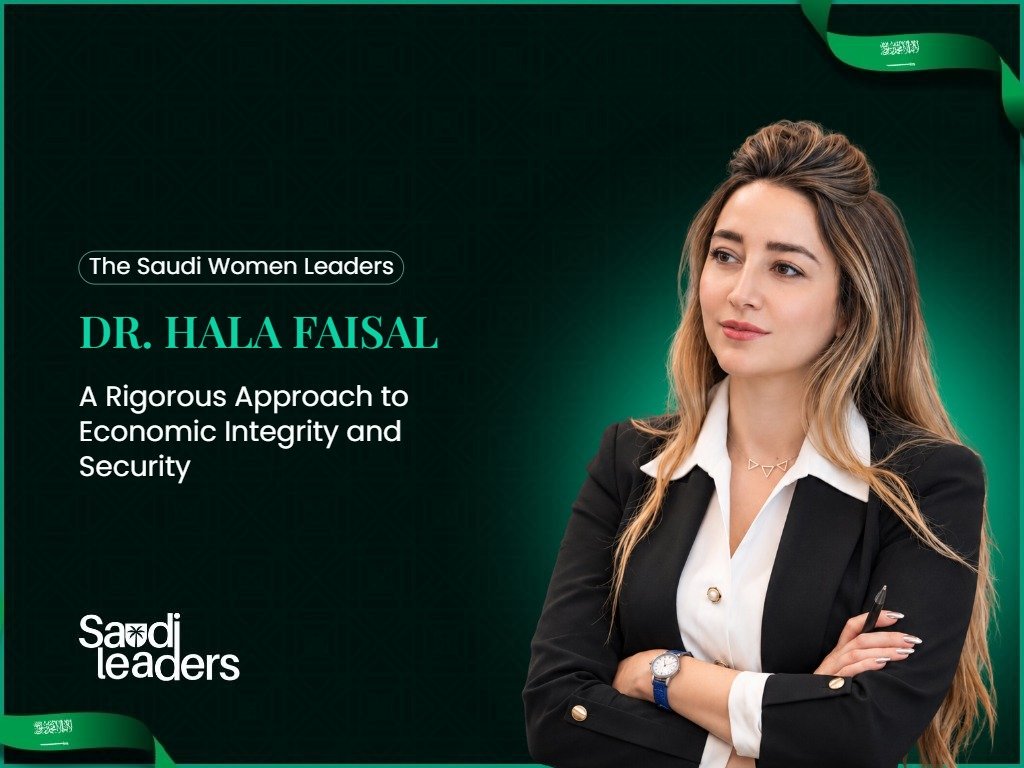
Navigating the complexities of modern financial systems requires a precise blend of theoretical economic insight and a practical understanding of digital risk. Dr. Hala Faisal serves at this intersection, applying her expertise in economic criminology to the evolving security landscape in Riyadh. As an Assistant Professor at Naif Arab University for Security Sciences, she channels years of academic leadership into the study of financial integrity and the mitigation of sophisticated economic threats.
Advancing Academic Rigour in Security Studies
At Naif Arab University for Security Sciences, Dr. Faisal contributes directly to the institution’s research mission. As a member of the Scientific Research Committee, she engages in the evaluation and guidance of academic inquiries that address critical security challenges. Her work focuses on the nexus between security-focused economic strategies and emerging technological threats, ensuring that academic outputs remain actionable within the broader security infrastructure.
This role allows her to translate extensive administrative and teaching experience into methodologies that help students and colleagues identify and address systemic risks, reinforcing the importance of peer-reviewed research in developing robust responses to economic crime.
Global Perspectives on Economic Criminology
Dr. Faisal extends her professional influence through her role as the Middle East Director and Board Member for the International Society of Economic Criminology. This leadership position facilitates her engagement in shaping regional discourse regarding financial risk management. Her commitment to global professional exchange is further evidenced by her time as a Fulbright Scholar at Temple University in the United States.

During this period, she examined advanced methodologies in policy analysis and economic integrity. By connecting with international peers, she ensures her research remains informed by global trends, allowing her to bring nuanced, evidence-based insights to the academic and security communities in the Kingdom.
True economic integrity is rarely found in simple solutions but rather in the persistent application of rigorous, evidence-based research to the evolving challenges of digital and financial systems.
Synthesising Economic Theory and Digital Innovation
The evolution of the digital economy necessitates experts who can interpret complex technical shifts through an economic lens. Drawing on her experience as a Researcher in Residence at NEAR Protocol, Dr. Faisal has developed a deep understanding of blockchain economics and the practical application of decentralised systems.
She integrates these findings into her current advisory work, supporting organisations as they navigate the complexities of digital transformation. Her ability to translate technical blockchain concepts into sound economic strategy allows her to advise on the development of infrastructures that are not only efficient but inherently designed to withstand digital vulnerability.

Pedagogy as a Foundation for Strategic Change
With nearly a decade of experience serving as the Head of the Economics Department at the Lebanese University, Dr. Faisal has cultivated a sophisticated understanding of educational leadership. She views pedagogy as a foundational strategy for developing future professionals capable of managing modern economic complexities. She continues to apply this focus as an adjunct professor, refining the methods used to teach economic security.
By blending rigorous theoretical grounding with real-world exposure to contemporary security issues, she ensures that her students are prepared to apply economic models to detect and prevent fraudulent activities, thereby supporting the development of human capital within the region.
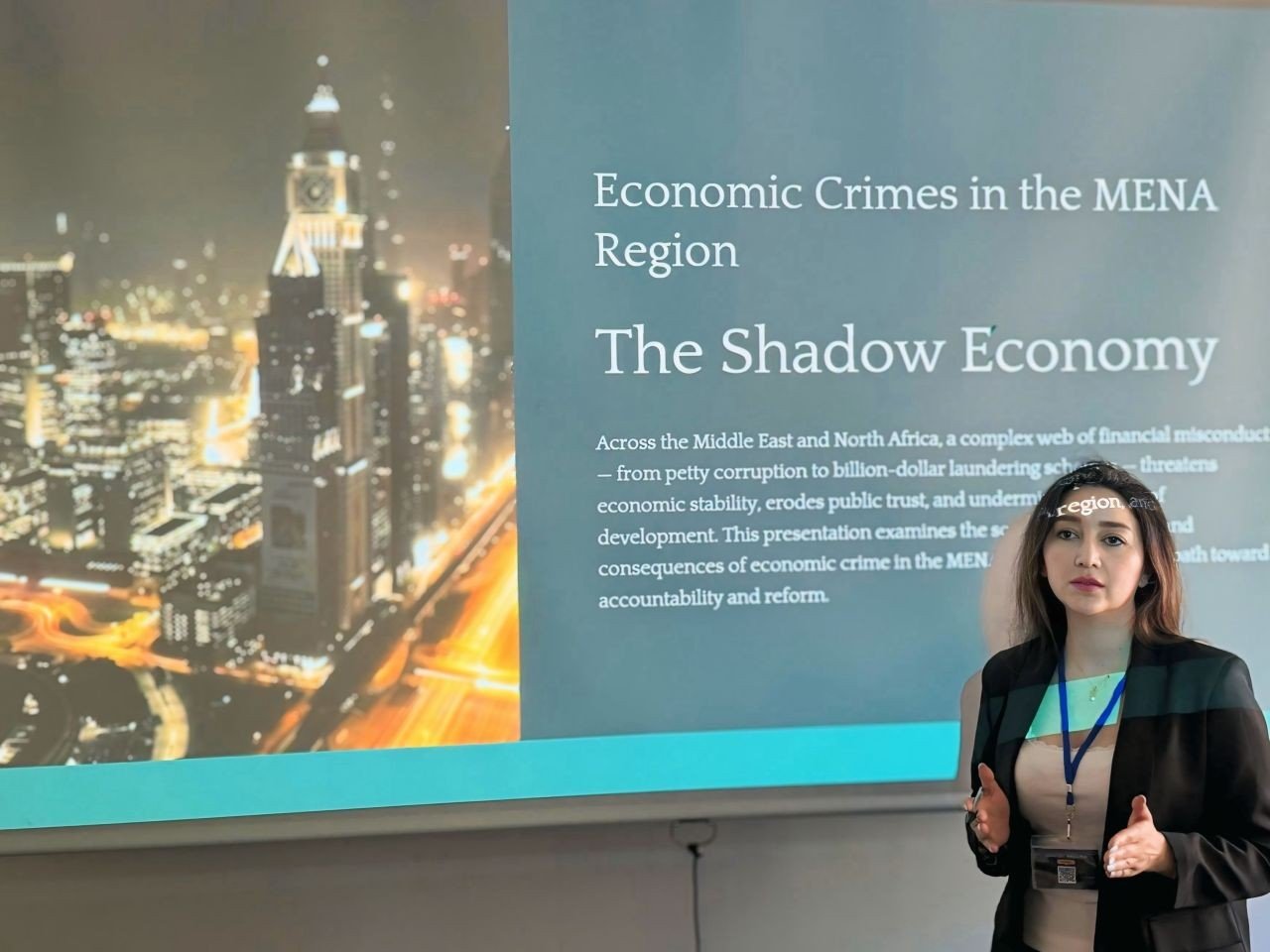
Recognition by The Saudi Women Leaders
Dr. Hala Faisal contributes a high level of academic and strategic rigour to the Kingdom’s security and research sectors. Through her focus on economic crime prevention and her dedication to cross-border knowledge exchange, she provides a measured example of professional practice. Her ongoing work aligns with the broader goals of institutional safety and the enhancement of economic integrity, offering a thoughtful contribution to the future of Saudi Arabia’s academic and financial landscape.
Connect with us
Related Posts
Previous Post
Next Post
Previous Post
Next Post








Advertisement