

Now Reading: Maya Ibrahim Barri: Architecting Organisational Capability within Saudi Industry
-
01
Maya Ibrahim Barri: Architecting Organisational Capability within Saudi Industry
Maya Ibrahim Barri: Architecting Organisational Capability within Saudi Industry
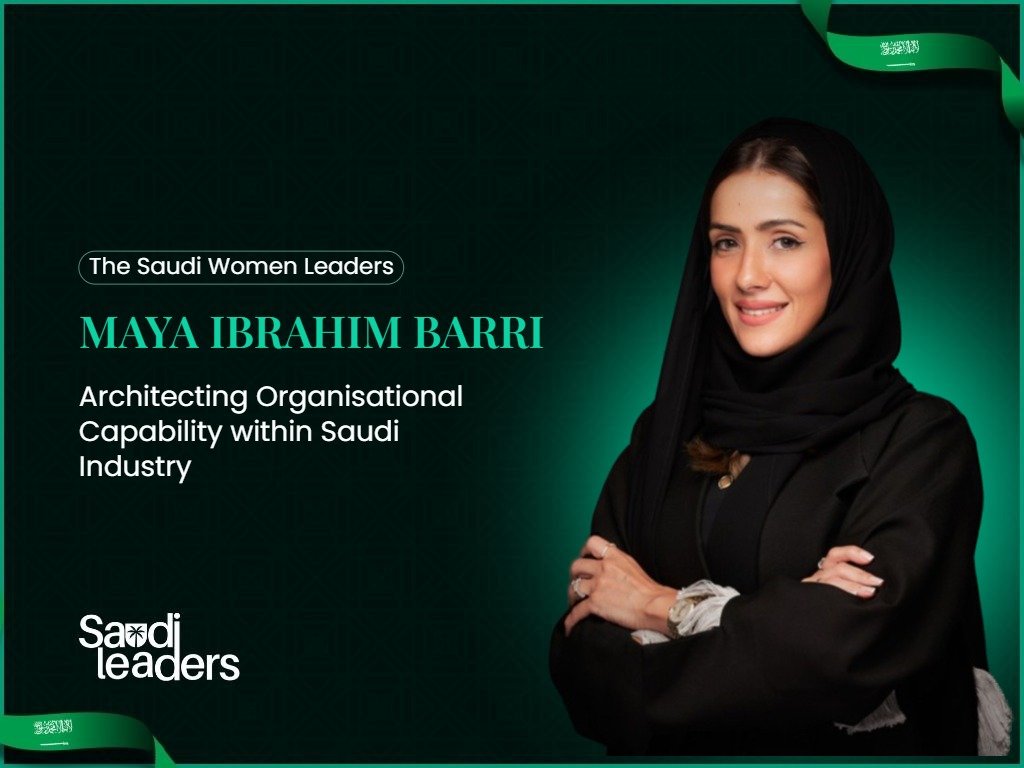
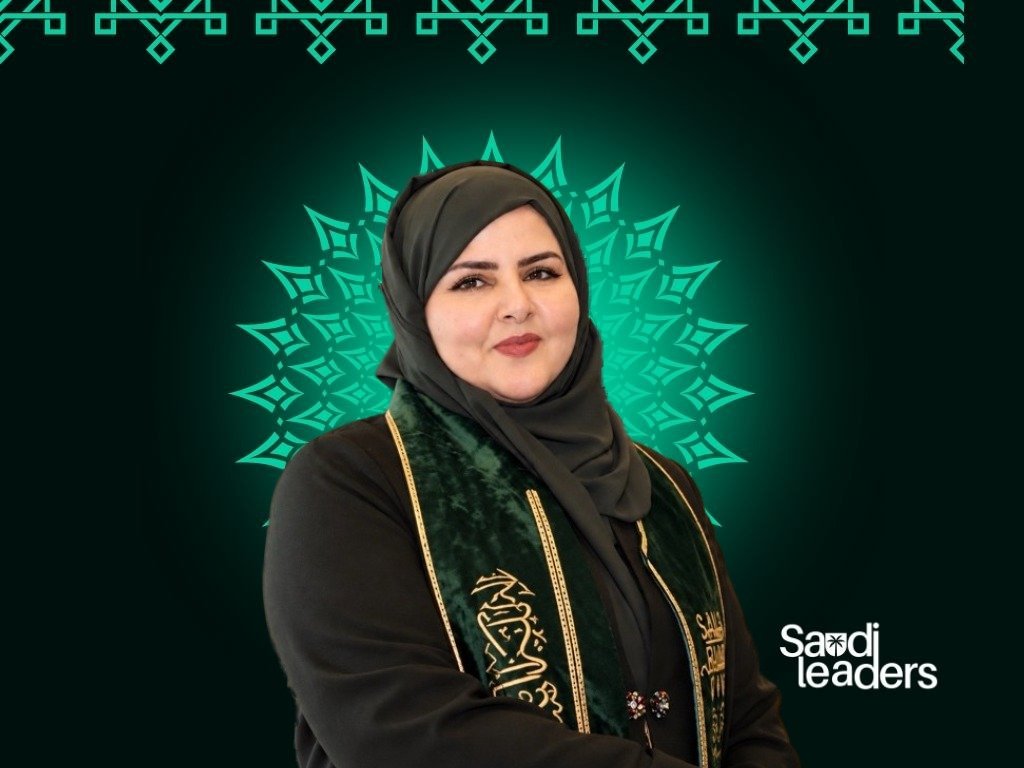
The deliberate alignment of human capital systems with business goals defines the current professional approach of Maya Ibrahim Barri, the Human Resources Director at Red Sea Global. Her work reflects a clear transition from functional human resources management to the architecture of organisational capability, ensuring that workforce structures actively support long-term strategic ambitions within the kingdom.
Her career path reveals a methodical dedication to integrating workforce needs with the broader mission of an organisation. By focusing on the structural components that drive productivity, she creates systems that facilitate both operational clarity and individual professional advancement across diverse industrial environments. Her leadership style is rooted in a deep understanding of organizational excellence, consistently bridging the gap between high-level business objectives and the day-to-day realities of human capital management.
Refining Organisational Design
Human resources leadership requires a transition from reactive, task-based support to active, strategic planning. Throughout her career, Barri has prioritised the development of robust frameworks for compensation, benefits, and performance management that remain both competitive and sustainable within the local market.
Her method integrates a practical understanding of complex grading systems, job mapping, and salary structures with the goal of fostering institutional stability. By standardising these core functions, she establishes the consistency necessary for large-scale organisations to maintain operational effectiveness across every department and level.
This structural precision becomes essential when managing the diverse requirements of large enterprises. By defining clear job descriptions and tiered grading systems, she ensures that the internal hierarchy supports the strategic objectives of the firm. Such transparency allows for the more equitable management of talent and resources, ensuring that the organisation is prepared for future growth and industrial challenges.
Leading Talent Through Strategic Change
Professional experience across diverse sectors, including cinema, public investment, and economic development, has provided her with a comprehensive view of how human capital systems influence performance. At Tamer Group, she led the establishment of the Tamer Academy, a project involving business model design, the articulation of core principles, and the extensive revamping of training facilities.
This initiative demonstrated a unique capacity to influence the learning architecture of an entire group. Developing such internal mechanisms allows organisations to cultivate talent systematically, ensuring that leadership pipelines are robust enough to meet shifting industrial requirements and long-term goals.
Beyond technical implementation, her work in organizational development involves building the partnerships necessary for success. Strengthening relationships between internal stakeholders and external entities ensures that development initiatives are aligned with the realities of the market. This collaborative approach allows her to negotiate with all levels of the organisation, securing buy-in for initiatives that define the firm’s future capability.
The strength of human capital leadership lies in the ability to bridge the gap between abstract business strategy and the tangible systems that govern employee growth and organisational performance.
Connecting Strategy to Performance
Effective organisational development necessitates a clear connection between individual performance assessments and wider business outcomes. Barri has consistently focused on creating mechanisms that allow employees to understand their roles within the context of the company’s strategic goals and performance metrics.
By revamping performance management systems and introducing potential assessment tools, she facilitates a nuanced approach to career progression. This strategy ensures that talent development initiatives remain relevant to the specific needs of the business while providing meaningful, structured pathways for growth and professional development.
She views performance reviews as a primary diagnostic tool for organisational health. When reviews are accomplished in a timely and structured manner, they provide leaders with the data required to make informed decisions about resource allocation. This data-driven mindset supports a culture defined by accountability, clarity, and continuous improvement across the entire workforce.
Building Institutional Resilience
The maturity of human resources leadership is measured by how well internal policies support organizational stability and long-term sustainability. At Red Sea Gateway Terminal, her work in compensation and benefits management established a standard for policy implementation that balanced competitive wage requirements with organizational rigour.
She brings this same disciplined approach to every leadership role. By ensuring that compensation plans remain competitive through the administration of insurance plans and the modification of salary scales, she helps the organisation retain critical talent in a competitive market. Her ability to synthesise complex market data with institutional requirements demonstrates an advanced, practitioner-level understanding of the human capital lifecycle.
Her career trajectory highlights the value of experience gained across various human resources functions, from basic recruitment to strategic talent management. She has demonstrated that consistency is the bedrock of organisational effectiveness, ensuring the human element of business remains as efficient and well-governed as the financial and operational pillars.
Recognition by The Saudi Women Leaders
Maya Ibrahim Barri represents a significant professional voice in Saudi human capital management, contributing to the development of sophisticated talent and organisational structures. By consistently translating complex business objectives into practical initiatives, she provides a clear model for leadership that values both professional authority and institutional longevity. Her career offers meaningful encouragement to those tasked with building the internal foundations necessary to support the ongoing evolution of the Saudi industrial landscape.
Connect with us
Related Posts
Previous Post
Next Post








Advertisement