











Now Reading: Dr. Mshari Alghadiier: Advancing Pediatric Rehabilitation Through AI, Data, and Clinical Insight
-
01
Dr. Mshari Alghadiier: Advancing Pediatric Rehabilitation Through AI, Data, and Clinical Insight
Dr. Mshari Alghadiier: Advancing Pediatric Rehabilitation Through AI, Data, and Clinical Insight

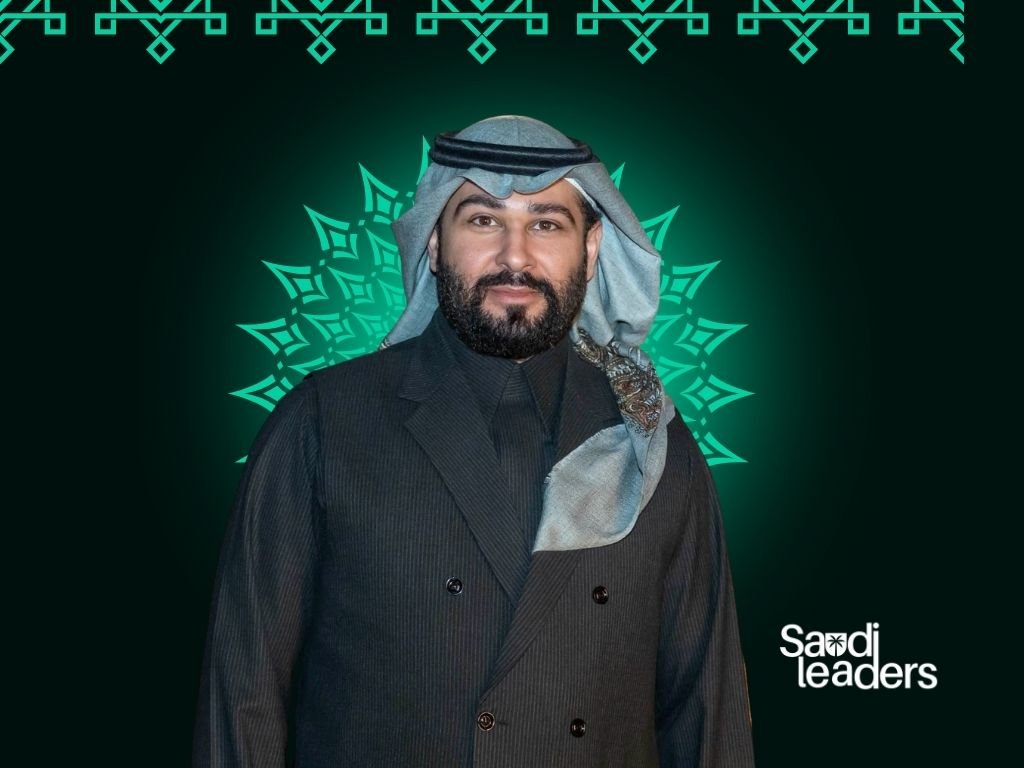
Dr. Mshari Alghadier is an Associate Professor of Pediatric Physical Therapy and Academic Editor whose career brings together pediatric rehabilitation, data-driven strategy, and digital health innovation. With more than 15 years of experience across academia and healthcare, he focuses on how technology, virtual reality, and artificial intelligence can transform the assessment and treatment of motor development challenges in children.
𝗔𝗜-𝗱𝗿𝗶𝘃𝗲𝗻 𝗽𝗲𝗱𝗶𝗮𝘁𝗿𝗶𝗰 𝗿𝗲𝗵𝗮𝗯𝗶𝗹𝗶𝘁𝗮𝘁𝗶𝗼𝗻 𝗮𝗻𝗱 𝘁𝗵𝗲 𝗗𝗶𝗴𝗶𝘁𝗮𝗹 𝗣𝗲𝗱𝗶𝗮𝘁𝗿𝗶𝗰 𝗣𝗵𝘆𝘀𝗶𝗼𝘁𝗵𝗲𝗿𝗮𝗽𝘆 𝗙𝗿𝗮𝗺𝗲𝘄𝗼𝗿𝗸
Dr. Alghadier is leading the development of an AI-powered solution designed to analyze motor patterns and detect developmental delays in children. This work reflects his dual commitment to high-fidelity clinical tools and practical product development, ensuring that emerging technologies are both scientifically robust and usable in real clinical environments. Building on this trajectory, he has developed a comprehensive Digital Pediatric Physiotherapy Framework, soon to be published in the journal Children (MDPI), which connects AI, data analytics, and virtual reality with everyday clinical workflows. This framework aims to provide clinicians with a structured roadmap for integrating digital tools into pediatric rehabilitation, reducing subjectivity in assessment and making advanced analysis more accessible to therapists, families, and health systems.
𝗔𝗰𝗮𝗱𝗲𝗺𝗶𝗰 𝗹𝗲𝗮𝗱𝗲𝗿𝘀𝗵𝗶𝗽 𝗮𝘁 𝗣𝗿𝗶𝗻𝗰𝗲 𝗦𝗮𝘁𝘁𝗮𝗺 𝗯𝗶𝗻 𝗔𝗯𝗱𝘂𝗹𝗮𝘇𝗶𝘇 𝗨𝗻𝗶𝘃𝗲𝗿𝘀𝗶𝘁𝘆
At Prince Sattam bin Abdulaziz University, Dr. Alghadier serves as Associate Professor and College Council Member, contributing to strategic decisions at the College of Applied Medical Sciences. He leads graduate-level teaching on evidence-based practice and scientific research, supervises undergraduate and postgraduate projects, and has previously headed advisory and research units and supported the Deanship of Development and Quality. Through these roles, he mentors the next generation of clinicians and researchers to apply critical thinking, data literacy, and research methodology in line with global standards and Saudi Vision 2030.
𝗘𝗱𝗶𝘁𝗼𝗿𝗶𝗮𝗹 𝗮𝗻𝗱 𝗿𝗲𝘀𝗲𝗮𝗿𝗰𝗵 𝗲𝘅𝗰𝗲𝗹𝗹𝗲𝗻𝗰𝗲
Beyond his university responsibilities, Dr. Alghadier serves as Guest Editor at Springer Nature and Academic Editor for journals such as Frontiers and PLOS. In these roles, he oversees peer review, evaluates methodological rigor, and works with authors to enhance clarity, accuracy, and impact in scientific publishing, particularly in rehabilitation and pediatric health. His editorial experience keeps him closely connected to emerging research trends in digital health, AI, and pediatric rehabilitation, reinforcing his own evidence-based approach and informing the design of his Digital Pediatric Physiotherapy Framework.
𝗖𝗹𝗶𝗻𝗶𝗰𝗮𝗹 𝗳𝗼𝘂𝗻𝗱𝗮𝘁𝗶𝗼𝗻𝘀 𝗮𝗻𝗱 𝗰𝗼𝗺𝗺𝘂𝗻𝗶𝘁𝘆 𝗲𝗻𝗴𝗮𝗴𝗲𝗺𝗲𝗻𝘁
Clinically trained as a pediatric physiotherapist, Dr. Alghadier built his early experience through internships at King Faisal Specialist Hospital & Research Centre and National Guard Health Affairs. He has also practiced as a consultant pediatric physiotherapist, informing his current digital health projects with real-world understanding of patient needs, family contexts, and service delivery challenges. His long-standing volunteer work with the Saudi ADHD Society, the Saudi Physical Therapy Association, and health-focused initiatives reflects a sustained commitment to public education and child-centered advocacy.
𝗘𝗱𝘂𝗰𝗮𝘁𝗶𝗼𝗻 𝗮𝗻𝗱 𝗹𝗲𝗮𝗱𝗲𝗿𝘀𝗵𝗶𝗽 𝗱𝗲𝘃𝗲𝗹𝗼𝗽𝗺𝗲𝗻𝘁
Dr. Alghadier holds a PhD in Physiotherapy and Rehabilitation from the University of Leeds, where he studied cognitive and sensorimotor interaction in decision-making using virtual reality. He earned an MSc in Paediatric Physiotherapy from UCL and completed further training in clinical research coordination at King Saud bin Abdulaziz University for Health Sciences and organisational leadership at Harvard Business School Online. This educational trajectory underpins a profile that combines clinical depth, analytical thinking, and leadership capability, enabling him to operate confidently across academia, clinical practice, and health innovation.
𝗧𝗵𝗲 𝗦𝗮𝘂𝗱𝗶 𝗟𝗲𝗮𝗱𝗲𝗿𝘀 proudly recognize Dr. Mshari Alghadier as a pioneering voice in pediatric rehabilitation and digital health, whose integration of AI, evidence-based practice, and his forthcoming Digital Pediatric Physiotherapy Framework is helping shape the future of child-centered, technology-enabled care in the Kingdom and beyond.
Related Posts
Previous Post
Next Post









Advertisement
