














Now Reading: Abdullah Alburithen: Harnessing Statistical Rigour for Strategic Decision Making
-
01
Abdullah Alburithen: Harnessing Statistical Rigour for Strategic Decision Making
Abdullah Alburithen: Harnessing Statistical Rigour for Strategic Decision Making

The precision required to manage large-scale statistical datasets provides a unique vantage point for institutional leadership. For Abdullah Alburithen, a career anchored in data science has become a mechanism for guiding strategy and governance within the Kingdom. His approach relies on the integration of established statistical methodologies with emerging analytical technologies to support organisational clarity.
Decades of Statistical Governance
Abdullah Alburithen developed a deep understanding of national-scale research during his thirty-year tenure as a senior statistician with the General Authority for Statistics. This period of service established a foundation in the rigour of data collection and management, which remains central to his professional practice today. The ability to interpret complex national datasets is a critical asset for informing long-term developmental planning.
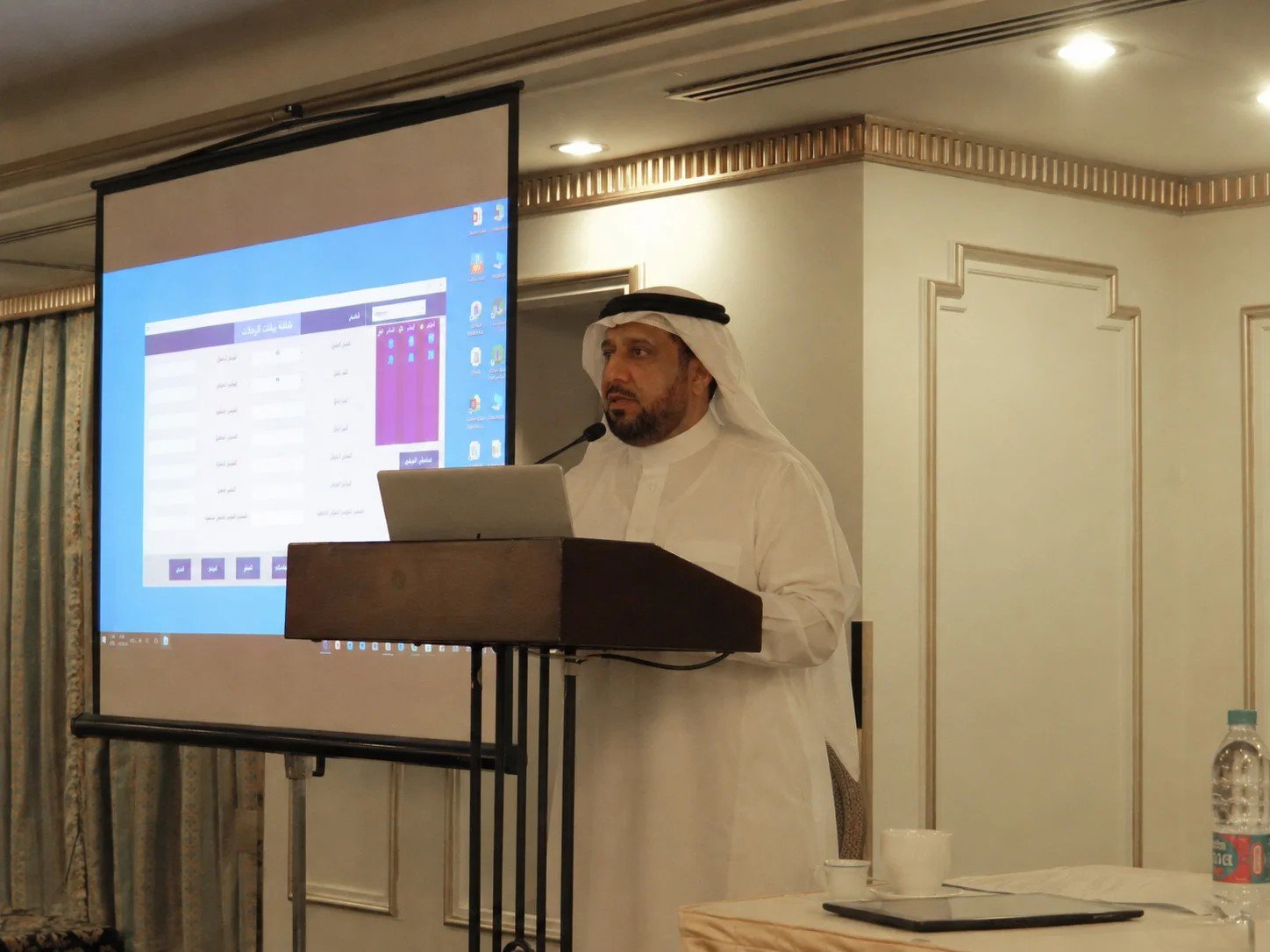
His transition into executive leadership roles built upon this technical expertise. Whether working in international contexts or within Saudi Arabia, he has maintained a focus on how quantitative evidence informs the decision-making process. This background ensures that current leadership responsibilities remain rooted in documented, reliable outcomes rather than estimation.
Reliable research serves as the quiet engine of progress, allowing institutions to navigate ambiguity with confidence and clarity.
Advanced Methodology and Practical Application
Since 2005, Alburithen has served as Director General of Research Co., where he oversees the practical application of research strategies across varied professional sectors. This role involves translating intricate databases into visualised, actionable insights. By employing tools such as ArcGIS, he enables executive leadership teams to visualise operational environments and identify patterns that drive strategic improvement.
His work integrates high-level project management with sophisticated data management practices. As a Project Management Professional (PMP) and a Certified Data Management Professional (CDMP), he maintains a balance between the integrity of the data gathered and the operational requirements of the organisations he supports.
Bridging Traditional Analytics and AI
Innovation in research demands the continuous evolution of technical capabilities. Alburithen has recently formalised his proficiency in emerging technologies by attaining the AWS Certified Generative AI Developer credential. This integration of artificial intelligence with traditional statistical frameworks represents a modern approach to analytical problem solving.
By leveraging these new technologies, he enhances the efficiency and depth of research interpretations. This evolution in his professional toolkit allows for more nuanced evaluations of public safety and socioeconomic development initiatives, ensuring that research outputs remain relevant in a rapidly digitising landscape.

Specialised Auditing and Regulatory Compliance
His expertise extends to the high-stakes field of road traffic safety, where he serves as an internal auditor. This responsibility demands both technical proficiency and a strict adherence to regulatory standards. By applying his analytical background to safety protocols, he contributes to a structured environment for the Kingdom’s developing infrastructure.
Governance functions most effectively when technical expertise is combined with a proactive commitment to institutional accountability.
His focus on road safety is supported by his engagement with the Road Safety Professional (RSP) certification process. This dedication to standardisation and safety assessment highlights the application of disciplined research to critical areas of public interest and infrastructure governance.
Recognition by The Saudi CEOs
Abdullah Alburithen exemplifies the contribution of subject matter expertise to the wider Saudi professional landscape. His long-standing commitment to the General Authority for Statistics and his current leadership at Research Co. provide a clear model of how technical discipline can sustain institutional growth. His work is essential to understanding the complex variables that shape progress.
For leaders within this network, his career offers a significant perspective on the necessity of high-integrity data. Through his focus on methodical research, technological integration and regulatory governance, he provides a consistent contribution to the institutional foundations required by the Kingdom’s long-term developmental objectives.
Connect with us
Related Posts



Previous Post
Next Post








Advertisement